


Каталог
Nucleic Acid Electrophoresis & Hybridization
- Сортировать:
- Вид таблицей
-

DNA Molecular Weight Marker VII, DIG-labeled 11669940910
General descriptionWe are committed to bringing you Greener Alternative Products, which adhere to one or more of The 12 Principles of Greener Chemistry. This product is designed as a safer chemical. The DIG System was established as a sensitive and cost-effective alternative to using radioactivity for the labeling and detection of nucleic acids. There are many available publications that prove the versatility of the DIG System, so use of radio-labeling is no longer the only option for labeling of DNA for hybridization.
DNA Molecular Weight Marker VII, DIG-labeled is a ready-to-use solution in 10mM Tris-HCl, 1mM EDTA, pH 8.0. The fragment mixture is prepared by cleavage of SPP1 DNA with EcoRI. the size ranges from 0.081 to 8.57kbp.ApplicationDNA Molecular Weight Marker VII, DIG-labeled, has been used as a size standard in Southern blot analysis for nucleic acid labeling and detection.
Sequence
The mixture contains 17 fragments wit the following base pair lengths: 81, 359, 492, 710, 718, 992, 1164, 1482, 1515, 1882, 1953, 2799, 3639, 4899, 6106, 7427, and 8576 bp.
Note: Fragment lengths are derived from computer analysis of the DNA sequence. Depending on the size range of the marker, the smallest fragments will only be visible on overloaded gels.Other NotesFor life science research only. Not for use in diagnostic procedures.Параметрыform solution Quality Level 100, packaging pkg of 500 µL (10 µg/ml) Торговая марка Roche greener alternative product characteristics Designing Safer Chemicals
Learn more about the Principles of Green Chemistry,.concentration 10 µg/mL shipped in dry ice storage temp. 20°C
Safety InformationRIDADR NONH for all modes of transport WGK Germany nwg Flash Point F No data available Flash Point C No data available Узнать цену -
DNA Molecular Weight Marker VIII, DIG-labeled 11449451910
General descriptionWe are committed to bringing you Greener Alternative Products, which adhere to one or more of The 12 Principles of Greener Chemistry. This product is designed as a safer chemical. The DIG System was established as a sensitive and cost-effective alternative to using radioactivity for the labeling and detection of nucleic acids. There are many available publications that prove the versatility of the DIG System, so use of radio-labeling is no longer the only option for labeling of DNA for hybridization.
Fragment mixture prepared by cleavage of pUCBM21 DNA with Hpa II, and pUCBM21 DNA cleaved with Dra I and Hind III.
Size Range: 19 to 1114 bp
Sequence
The mixture contains 17 DNA fragments with the following base pair lengths: 19, 26, 34/34, 37, 67, 110, 124, 147, 190, 242, 320, 404, 489, 501, 692, 900, and 1114 bp.
Note: Fragment lengths are derived from computer analysis of the DNA sequence. Depending on the size range of the marker, the smallest fragments will only be visible on overloaded gels.
Physical form
Ready-to-use solution in 10mM Tris-HCl, 1mM EDTA, pH 8.0.Other NotesFor life science research only. Not for use in diagnostic procedures.Параметрыform solution Quality Level 100, packaging pkg of 500 µL (10 µg/ml) Торговая марка Roche greener alternative product characteristics Designing Safer Chemicals
Learn more about the Principles of Green Chemistry,.concentration 10 µg/mL shipped in dry ice storage temp. 20°C
Safety InformationRIDADR NONH for all modes of transport WGK Germany nwg Flash Point F does not flash Flash Point C does not flash Узнать цену -
DNA Polymerase I
Enzyme Commission (EC) Number: 2.7.7.7 ( BRENDA | IUBMB )
Кат. номер 10642720001 10642711001 General descriptionRecombinant DNA polymerase I is a DNA-dependent 5′→ 3′ polymerase that has both 5′ → 3′ and 3′ → 5′ exonuclease activities.
Specificity
Specific Activity: 8,000 U/mg
At least 8,000 U/mg, using poly [d(A-T)] as template at +37°C, according to Richardson.
Source: The enzyme is the product of the E. coli pol A gene, which has been cloned into an overproducing lysogenic strain.
Quality
Tested for the absence of endonucleases according to the current Quality Control procedures.
Unit Definition
One unit is the enzyme activity which incorporates 10 nmol of total nucleotide into an acid-precipitable fraction in 30 minutes.
Physical form
Solution, 5 U/μl in storage buffer: 50 mM potassium phosphate, 0.25 mM dithiothreitol, 50%glycerol (v/v); pH approx. 7.
Preparation Note
Activator: Mg2+Other NotesFor life science research only. Not for use in diagnostic procedures.ПараметрыQuality Level 100, form solution specific activity 8000 units/mg protein (At least 8,000 U/mg, using poly [d(A-T)] as template at 37 °C, according to Richardson (Richardson, C. C. et al., 1964, J. Biol. Chem. 239, 222).) packaging pkg of 1,000 U (10642720001), pkg of 250 U (10642711001) Торговая марка Roche shipped in dry ice storage temp. 20°C
Safety InformationRIDADR NONH for all modes of transport Узнать цену -

dUTP
Empirical Formula (Hill Notation): C9H15N2O14P3 · xNa+ CAS Number: 94736-09-1 Molecular Weight: 468.14 (free acid basis) MDL number: MFCD01630759 PubChem Substance ID: 329798931
Кат. номер 3732720001 11969056001 11934554001 General descriptiondUTP, PCR Grade, is a 100 mM clear, colorless solution of the sodium salt (pH 8.3).ApplicationdUTP, PCR Grade, is suitable for many applications where high-quality reagents are required. Avoid carryover contamination between PCRs to eliminate a source of false positives.
Quality
Function tested in RT-PCR. Tested for absence of contaminating deoxyribonucleases, ribonucleases and nicking activities according to the current Quality Control procedures.
Physical form
solution of dUTP water (pH 8.3).
Preparation Note
Working solution: We recommend to prepare a deoxynucleotide mix containing dATP, dCTP, dGTP (10 mM, each), dUTP (30 mM); (e.g., for the preparation of 100 µl nucleotide mix add 10 µl of dATP, dCTP, dGTP (each) and 30 µl dUTP to 40 µl Water,PCR grade).Other NotesPCR Grade nucleotides from Roche are specially manufactured and purified to the highest possible chemical purity. PCR Grade nucleotides contain at least 99% of the relevant deoxynucleoside-triphosphate (dNTP) and less than 0.9% deoxynucleoside-diphosphate (dNDP).
For general laboratory use.ПараметрыQuality Level 100, assay <0.9% (dNDP), 99% (dNTP) form solution usage sufficient for 125,000 standard reactions (03732720001), sufficient for 31,250 standard reactions (11969056001), sufficient for 6,250 standard reactions (11934554001) packaging pkg of 1,250 μL (11969056001 [100 mM]), pkg of 4 x 1,250 μL (03732720001 [4x100 mM]), pkg of 250 μL (11934554001 [100 mM]) Торговая марка Roche concentration 100 mM shipped in dry ice storage temp. −20°C SMILES string [Na].OC1CC(OC1COP(O)(=O)OP(O)(=O)OP(O)(O)=O)N2C=CC(=O)NC2=O InChI 1S/C9H15N2O14P3.Na.H/c12-5-3-8(11-2-1-7(13)10-9(11)14)23-6(5)4-22-27(18,19)25-28(20,21)24-26(15,16)17;;/h1-2,5-6,8,12H,3-4H2,(H,18,19)(H,20,21)(H,10,13,14)(H2,15,16,17);; InChI key FVFWWPFKJNTHIQ-UHFFFAOYSA-N
Safety InformationRIDADR NONH for all modes of transport Узнать цену -
Fluorescein RNA Labeling Mix 11685619910
General descriptionFluorescein RNA Labeling Mix is a convenient nucleotide mixture for the labeling of RNA with fluorescein-12-uridine triphosphate (UTP).
Specificity
Heat inactivation: Stop the reaction by adding 2µl 0.2M EDTA (pH 8.0).ApplicationFluorescein-labeled RNA has been used in a variety of hybridization techniques such as:- in situ hybridization to tissues
- Southern blots
- northern blots
- plaque or colony lifts
- RNase protection experiments
Quality
The mix is function tested in combination with the DIG RNA Labeling Kit.
Principle
Fluorescein-labeled, single-stranded RNA probes of defined length are generated by in vitro transcription. Fluorescein-12-UTP is incorporated by SP6, T7, and T3 RNA polymerases at approximately every 20 to 25th nucleotide of the transcript under standard conditions. The Fluorescein RNA Labeling Mix is specifically designed for use with the RNA polymerases SP6, T7, and T3, which are supplied with an optimized transcription buffer.
Preparation Note
10x concentrated NTP labeling mixture: 10mM ATP, 10mM CTP, 10mM GTP, 6.5mM UTP, 3.5mM Fluorescein-12-UTP, pH 7.5 (+20°C).Other NotesFor life science research only. Not for use in diagnostic procedures.Параметрыform solution Quality Level 100, usage sufficient for 20 reactions packaging pkg of 40 μL Торговая марка Roche shipped in dry ice storage temp. −20°C
Safety InformationRIDADR NONH for all modes of transport WGK Germany nwg Flash Point F No data available Flash Point C No data available Узнать цену -
Fluorescein-12-dUTP 11373242910
ApplicationFluorescein-12-dUTP is used as a substrate for:- terminal transferase
- DNA polymerase I (holoenzyme and Klenow fragment),
- Taq DNA polymerase
- reverse transcriptase (e.g., from AMV and M-MuLV).
Quality
Typical analysis: At least 85% Fluorescein-12-dUTP (HPLC, area%).
Physical form
Fluorescein-12-dUTP, tetralithium salt.
Storage and Stability
The unopened reagent is stable at 15 to 25°C until the expiration date printed on the label. Decomposition of approx. 5% may occur within 6 months.Other NotesFor life science research only. Not for use in diagnostic procedures.Параметрыform solution Quality Level 100, mol wt Mr 1018.4 (fluorescein-12-dUTP-Li4) packaging pkg of 25 µL (25 nmol; 1mM) Торговая марка Roche shipped in dry ice storage temp. 20°C
Safety InformationRIDADR NONH for all modes of transport WGK Germany nwg Flash Point F does not flash Flash Point C does not flash Узнать цену -
Fluorescein-12-UTP 11427857910
Empirical Formula (Hill Notation): C39H41N4O22P3 CAS Number: 134367-01-4 Molecular Weight: 1010.68 General descriptionQuality
Typical analysis: At least 85% Fluorescein-12-UTP (HPLC, area%).
Fluorescein is bound to uridine triphosphate via an amide linkage. Molecular formula is C39H37N4O22P3Li4.ApplicationFluorescein-12-UTP is used as a substrate for SP6, T3, and T7 RNA polymerases. It can replace UTP in the in vitro transcription reaction for RNA labeling.
Labeled RNA can be subsequently detected by in situ hybridization and direct fluorescence detection or detection by ELISA using Anti-Fluorescein-AP, Fab fragments or Anti-Fluorescein-POD, Fab fragments.Other NotesFor life science research only. Not for use in diagnostic procedures.
For your convenience, fluorescein-UTP is also available in a convenient labeling mix (single solution with conventional NTPs and Fluorescein-12-UTP).Параметрыform solution Quality Level 100, mol wt 1034.4 packaging pkg of 25 μL (250 nmol; 10 mM) Торговая марка Roche shipped in dry ice storage temp. −20°C
Safety InformationRIDADR NONH for all modes of transport WGK Germany nwg Flash Point F does not flash Flash Point C does not flash Узнать цену -
Fluorescein-High Prime 11585622910
General descriptionFluorescein-High Prime is a convenient enzyme and nucleotide mixture for for highly efficient rapid random-primed labeling of DNA with Fluorescein-12-dUTP. In this method, the complementary DNA strand of denatured DNA is synthesized by Klenow polymerase using the 3-OH termini of the random oligonucleotides as primers. Fluorescein-labeled probes are generated at high yield within one hour or after overnight incubation.
A standard labeling reaction with 1µg template yields 0.8µg fluorescein-labeled DNA after 1 hour, and 2µg after a 20-hour incubation at +37°C.
Specificity
Heat inactivation: Stop the reaction by adding 2 µl 0.2 M EDTA (pH 8.0) and/or by heating to 65 °C for 10 minutes.ApplicationFluorescein-High Prime labeled DNA probes has been used in in a variety of hybridization techniques:- in Southern blots
- in dot/slot blots
- for screening of gene libraries
- in in situ hybridizations
Components
5x concentrated random primer mix: 1U/μL Klenow polymerase, labeling grade, 1mM dATP, 1mM dCTP, 1mM dGTP, 0.65mM dTTP, 0.35mM fluorescein-12-dUTP in 50% (v/v) glycerol.
Quality
Function tested in combination with the DIG RNA Labeling Kit.
DNA Profile
DNA fragments of at least 100bp
Linearized plasmids, cosmid or DNA
Supercoiled DNA
Low level DNA (10ng), e.g., DNA restriction fragments isolated from gels or in molten agarose can be used.
Principle
Fluorescein-labeled DNA probes are generated with Fluorescein-High Prime according to the "random primed" labeling technique. The complementary DNA strand is synthesized by Klenow polymerase using the 3′-OH termini of the random oligonucleotides as primers. Fluorescein-12-dUTP is incorporated into the newly synthesized complementary DNA strand. Fluorescein-High Prime is a specially developed reaction mixture containing Fluorescein-12-dUTP and all reagents necessary for random-primed labeling, including Klenow enzyme, premixed in an optimized 5x concentrated reaction buffer concentrate in 50% glycerol.Other NotesFor life science research only. Not for use in diagnostic procedures.
Assay Time: 80 minutesПараметрыform solution Quality Level 100, usage sufficient for 25 labeling reactions (0.01 to 3 ug template DNA per assay) packaging pkg of 100 μg Торговая марка Roche shipped in dry ice storage temp. −20°C
Safety InformationRIDADR NONH for all modes of transport WGK Germany WGK 1 Flash Point F No data available Flash Point C No data available Узнать цену -

GTP 10106399001
Empirical Formula (Hill Notation): C10H16N5O14P3 · xNa+ · yH2O CAS Number: 36051-31-7 Molecular Weight: 523.18 (anhydrous free acid basis) Beilstein/REAXYS Number: 4113439 MDL number: MFCD00149227 PubChem Substance ID: 329748894 General descriptionGTP is supplied as the disodium salt in crystal form.
GTP functions as a carrier of phosphates and pyrophosphates involved in channeling chemical energy into specific biosynthetic pathways. It also serves as an energy-rich precursor of mononucleotide units in the enzymatic biosynthesis of DNA and RNA. GTP is involved in the initiation of peptide synthesis during the binding of formylmethionyl-tRNA (F-met-tRNA) to the ribosome. It is also involved in polypeptide chain elongation. GTP is hydrolyzed by tubulin and its hydrolysis is accompanied by microtubule assembly.ApplicationGTP, disodium salt, is required as a coenzyme for protein biosynthesis in a cell-free system. It has been used in FtsZ polymerization assay and in the preparation of pipette solution for the electrophysiological recordings of the whole-cell membrane currents.
Quality
Purity: 76% GTP (enzymatic), >90 area% (HPLC), 9% Na+, 8% H2O
Preparation Note
Activator: EDTA prevents the formation of enzyme aggregates. Phosphate stimulates the NADH-dependent reaction.
Storage conditions (working solution): Aqueous solutions (pH 7.0) are stable at 2 to 8 °C or frozen for approx. one week, for reasons of hydrolysis pH should not be < 3.
If neutralized with water preparation can be stored frozen at -15 to -25 °C in small portions, one sample should thawed only once and should be used within the next one or two days (stored at 2 to 8 °C). Preparation can also be dissolved in a buffer pH 7-8 without neutralization (buffer concentration should be high enough that pH is not changed by addition of those substances); solution can be stored frozen.
Investigations on the storage temperature 2 to 8 °C compared to -15 to -25 °C showed no difference.
Storage and Stability
Store at 2 to 8 °C. (Store dry!)Other NotesFor life science research only. Not for use in diagnostic procedures.ПараметрыQuality Level 100, assay >90% (HPLC) mol wt Mr 523.2 (GTP), Mr 567.1 (GTP-Na2) packaging pkg of 250 mg Торговая марка Roche storage condition avoid repeated freeze/thaw cycles shipped in wet ice SMILES string O.O.[Na+].[Na+].NC1=Nc2c(ncn2[C@@H]3O[C@H](COP(O)(=O)OP([O-])(=O)OP(O)([O-])=O)[C@@H](O)[C@H]3O)C(=O)N1 InChI 1S/C10H16N5O14P3.2Na.2H2O/c11-10-13-7-4(8(18)14-10)12-2-15(7)9-6(17)5(16)3(27-9)1-26-31(22,23)29-32(24,25)28-30(19,20)21;;;;/h2-3,5-6,9,16-17H,1H2,(H,22,23)(H,24,25)(H2,19,20,21)(H3,11,13,14,18);;;2*1H2/q;2*+1;;/p-2/t3-,5-,6-,9-;;;;/m1..../s1 InChI key HPLNHYUZFVUXFJ-ZVQJTLEUSA-L
Safety InformationRIDADR NONH for all modes of transport WGK Germany WGK 1 Flash Point F Not applicable Flash Point C Not applicable Узнать цену -
GTP 11140957001
General descriptionGTP is a 100 mM solution of the lithium salt (pH 7).
Guanosine triphosphate (GTP) is a purine nucleoside triphosphate. This nucleotide is mostly used as substrate in RNA synthesis during transcription. It is comprised of a ribose sugar and three phosphates with nucleobase and triphosphate moiety attached to 1′and 5′ carbons. It may also be involved in signal transduction, energy transfer within the cell, as an activator of substrates in metabolic reaction or for protein synthesis and gluconeogenesis.ApplicationGTP has been used in cell-free generation of COPII-coated procollagen I carriers and to label transcription elongation complexes.
GTP, lithium salt, is suitable for applications such as in vitro RNA transcription.
Quality
Typical analysis:- 98% GTP (HPLC), 1.5% GDP (HPLC), 0.5% GMP (HPLC).
- Tested for the absence of RNases according to the current Quality Control procedures.
Unit Definition
1 mM GTP = 13.7 A252 unitsOther NotesFor life science research only. Not for use in diagnostic procedures.ПараметрыQuality Level 100, assay 98% (HPLC) form solution packaging pkg of 400 µL (100 mM; 40 µmol) Торговая марка Roche shipped in dry ice storage temp. 20°C
Safety InformationRIDADR NONH for all modes of transport WGK Germany WGK 1 Flash Point F does not flash Flash Point C does not flash Узнать цену -
Hexanucleotide Mix 11277081001
General descriptionConvenient oligonucleotide mixture for rapid random-primed labeling of DNA with radioactive, digoxigenin- or biotin-labeled nucleotides. In this method, the complementary DNA strand is synthesized by Klenow polymerase using the 3′-OH termini of the random oligonucleotides as primers.
Specificity
Heat inactivation: Stop the reaction by adding 2 µl 0.2 M EDTA (pH 8.0) and/or by heating to 65 °C for 10 minutes.ApplicationHexanucleotide Mix is a mixture of hexanucleotides of all possible sequences for random-primed DNA labeling.
Labeled DNA probes with high specific activity are used in a variety of hybridization techniques:- Screening of gene libraries
- Southern and northern blots
- In situ hybridizations
- RT-PCR
- Generation of cDNA libraries
- Synthesis of first-strand cDNA
- in the determination of vector titer
- Second strand synthesis
Features and Benefits
The product is a 10x concentrated mixture of random hexanucleotides. Statistically, the mix may contain up to 4,096 different hexanucleotides, but these are probably present in differing amounts.
Contents
10x concentrated mixture of hexanucleotides (62.5 A260 units/ml) in reaction buffer [0.5M Tris- HCl, 0.1M MgCl2, 1mM dithioerythritol (DTE), 2mg/ml BSA, pH 7.2 (+20°C)]
Note: The mix is identical to that supplied in vial 5 of the DIG DNA Labeling and Detection Kit and of the DIG DNA Labeling Kit and in vial 6 of the Random Primed DNA Labeling Kit.
Quality
Function tested in the Random Primed DNA Labeling Kit.
Principle
The "random primed" DNA labeling method developed by Feinberg and Vogelstein is based on the hybridization of a mixture of all possible hexanucleotides to the DNA to be labeled. All sequence combinations are represented in the hexanucleotide primer mixture, which leads to binding of primer to the template DNA in a statistical manner. Thus, an equal degree of labeling along the entire length of the template DNA is guaranteed. The complementary strand is synthesized from the 3-OH termini of the random hexanucleotide primer using Klenow enzyme, labeling grade. Modified deoxyribonucleoside triphosphates ([32P], [35S],[3H], or [125I] digoxigenin- or biotin-labeled) present in the reaction are incorporated into the newly synthesized complementary DNA strand.
Preparation Note
Assay Time
Standard labeling (radioactive): 50 minutes
Labeling assay with digoxigenin-11-dUTP: 80 minutes
Sample Materials- DNA fragments
- Linearized plasmid DNA
- DNA
Synthesis: All 4 bases are used to synthesize this random hexanucleotide mix. In the initial reaction, starter nucleotides are linked to a solid phase support. In subsequent coupling reactions, equimolar amounts of the 4 dNTPs are linked to the starter nucleotides until hexamers are generated. The hexamers are then released from the solid phase support.
Post-synthesis: The oligonucleotides are HPLC purified, desalted, and 5-phosphorylated.
Analysis Note
Absorption: 62.5 A260 units correspond to 2.5 mg/ml of hexanucleotides.Other NotesFor life science research only. Not for use in diagnostic procedures.Параметрыform solution Quality Level 100, usage sufficient for 50 labeling reactions packaging pkg of 100 μL Торговая марка Roche shipped in dry ice storage temp. −20°C
Safety InformationRIDADR NONH for all modes of transport WGK Germany WGK 1 Flash Point F No data available Flash Point C No data available Узнать цену -
High Prime 11585592001
General descriptionHigh Prime, a novel labeling mixture, contains optimal concentrations of nucleotides and primers in a highly efficient reaction mix with Klenow enzyme. This convenient "all-in-one" principle of High Prime reduces pipetting steps to a minimum, and increases accuracy and reproducibility of labeling reactions.
Enzyme and nucleotide mixture for rapid random-primed labeling of DNA with [32P], [35S], or [3H] dCTP. In this method, the complementary DNA strand of denatured DNA is synthesized by Klenow polymerase using the 3-OH termini of the random oligonucleotides as primers.
Contents:
5x concentrated random primer mix: 1 U/µl Klenow polymerase, labeling grade, 0.125 mM dATP, 0.125 mM dGTP, 0.125 mM dTTP in 50% (v/v) glycerol.
High Prime is used for rapid random-primed labeling of DNA with [32P], [35S], or [3H]dCTP to a guaranteed specific activity of >2 x 10⁹ dpm/µg. Incubation time is only 10 minutes at +37°C.
High Prime guarantees efficient labeling of:- DNA amounts ranging from 10 ng to 3 µg in a standard reaction
- DNA of different lengths ranging from small restriction fragments to l or cosmid DNA
- DNA, supercoiled or linearized
- DNA in low melting-point agarose.
Specificity
Heat inactivation: Stop the reaction by adding 2 µl 0.2 M EDTA (pH 8.0) and/or by heating to 65 °C for 10 minutes.ApplicationFor the labelling of DNA with radioactive dCTP using random oligonucleotides as primers.
High Prime-labelled probes are used in a variety of hybridization techniques: Southern blots- Northern blots
- Dot/slot blots
- Screening of gene libraries
- In situ hybridizations
High Prime has been used to label the probes by random hexamer labelling and labelling of probes with 32P by random priming.
Quality
Function tested in the standard assay.
Principle
Labeled probes are generated with High Prime according to the random-primed labeling technique. High Prime is a specifically developed reaction mixture containing random oligonucleotides, Klenow polymerase, labeling grade, dATP, dGTP, and dTTP in an optimized reaction buffer concentrate in 50% glycerol for rapid and efficient labeling of DNA with [32P]-, [35S]-, or [3H]-labeled dCTP.
Analysis Note
Specific Activity: The standard assay routinely yields a specific activity of 2 x 10⁹ dpm/µg, using different substrate DNAs after 10 minutes of incubation.
Assay Time: 30 minutes
Sample Materials- DNA fragments of at least 100 bp
- Linearized plasmid, cosmid or DNA
- Supercoiled DNA
- Or minimal amounts of DNA (10 ng), e.g., DNA restriction fragments isolated from gels or in molten agarose
Other NotesFor life science research only. Not for use in diagnostic procedures.Параметрыform solution Quality Level 100, usage sufficient for 50 labeling reactions packaging pkg of 200 µL Торговая марка Roche shipped in dry ice storage temp. 20°C
Safety InformationRIDADR NONH for all modes of transport WGK Germany WGK 1 Flash Point F No data available Flash Point C No data available Узнать цену -
High Prime DNA Labeling Kit 11585584001
General descriptionSample Materials- Either linear or supercoiled plasmid DNA, DNA
- Shorter fragments of 200 bp
- DNA fragments in molten agarose
- <10 ng DNA
Assay Time: 20 minutes for a standard labeling assay
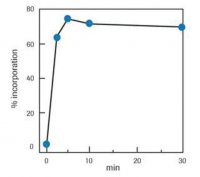
Note: The length of DNA to be labeled does not influence the reaction. Maximal incorporation is achieved after incubation of 30 to 60 minutes.
Convenient kit for the radioactive and nonradioactive labeling of DNA with modified deoxyribonucleoside triphosphate using random oligonucleotides as primers. In this method, the complementary DNA strand of denatured DNA is synthesized by Klenow Polymerase using the 3′-OH termini of the random oligonucleotides as primers.
Specificity
Heat inactivation: Stop the reaction by adding 2 µl 0.2 M EDTA (pH 8.0) and/or by heating to 65 °C for 10 minutes.
The standard assay routinely yields a specific activity of 2 x 10⁹ dpm/µg, using different substrate DNAs after 10 minutes of incubation.ApplicationBased on the High Prime principle, the High Prime DNA Labeling Kit is used for rapid random-primed DNA labeling. The method enables the labeling of DNAs available only in minute quantities, for example, DNA restriction fragments isolated from gels or in molten agarose. The separately provided nucleotide solutions offer a choice in the selection of modified deoxyribonucleoside triphosphates (e.g., 32P, 35S, 3H, digoxigenin, fluorescein, biotin, or rhodamine). High Prime DNA Labeling Kit has been used for:- high prime labeled probes are used in a variety of hybridization techniques: Southern blots
- northern blots
- screening of gene libraries
- in situ hybridizations
- subtractive hybridization (SSH) assay
Packaging
1 kit containing 6 components.
Principle
The "random primed" DNA labeling method originally developed by Feinberg and Vogelstein is based on the hybridization of oligonucleotides of all possible sequences to the denatured DNA to be labeled.Input DNA serves is the only template for synthesis of labeled DNA, making it possible to label minimal amounts of DNA (10 ng) using this method. Complementary DNA strands are synthesized using Klenow polymerase at the 3-OH termini of randomized oligonucleotides used as primers. Modified deoxyribonucleoside triphosphates (e.g., labeled with 32P, 35S, 3H, digoxigenin, biotin, fluorescein, or rhodamine) added to the reaction are readily incorporated into newly synthesized DNA strands.
Preparation Note
Working solution: dATP, dGTP, dTTP mixture:
For one labeling reaction pipette:
1 µl dATP, (vial 2)
1 µl dGTP, (vial 4)
1 µl dTTP, (vial 5)
to a reaction vial.
Note: If the same type of labeled deoxyribonucleoside-triphosphate is used repeatedly, we recommend the preparation of a mixture of equal parts of the other three deoxyribonucleoside-triphosphates for convenience.Other NotesFor life science research only. Not for use in diagnostic procedures.Параметрыusage sufficient for 50 labeling reactions (0.01 to 2 μg DNA per assay) Quality Level 100, Торговая марка Roche shipped in dry ice storage temp. −20°C
Safety InformationRIDADR NONH for all modes of transport WGK Germany WGK 1 Flash Point F does not flash Flash Point C does not flash Узнать цену -
Hybridization Buffer 11717472001
General descriptionHybridization buffer is used in combination with the PCR ELISA (enzyme-linked immunosorbent assay) and the series of DIG-Detection ELISAs for nucleic-acid hybridization reactions.
Hybridization Buffer is a denaturing solution, which contains 50% (v/v) formamide.ApplicationHybridization Buffer has been used for the prehybridization of coverslips in protein competition assay of human foreskin fibroblasts (HFF) cells. It has also been used to perform hybridization in northern blotting.
Physical form
SolutionOther NotesFor life science research only. Not for use in diagnostic procedures.Параметрыform solution Quality Level 100, packaging pkg of 100 mL Торговая марка Roche shipped in wet ice storage temp. 2-8°C
Safety Informationpictograms GHS07 signalword Warning hcodes H317 pcodes P261 - P272 - P280 - P333 + P313 - P362 + P364 - P501 RIDADR NONH for all modes of transport WGK Germany WGK 1 Flash Point F No data available Flash Point C No data available Узнать цену -
INT/BCIP Stock Solution 11681460001
General descriptionBCIP (5-bromo-4-chloro-3-indoyl phosphate) is the AP (alkaline phosphatase)-substrate which after dephosphorylation reacts further to give a dark-blue indigo dye as an oxidation product. INT (iodonitrotetrazolium) is the oxidant producing a red dye. The reaction product has a reddish-brown color and is insoluble in water.ApplicationINT/BCIP Stock Solution is used for the sensitive detection of alkaline phosphatase (AP) in blotting protocols, that includes:- Southern blot
- Western blot
- immunohistochemistry and immunocytochemistry
Specifications
Formulas: INT: C19H13CIN5O2; BCIP: C8H6NO4BrCIP x C7H9N
Principle
BCIP is the AP-substrate which after dephosphorylation reacts further to give a dark-blue indigo dye as an oxidation product. INT is the oxidant producing a red dye.
Physical form
Solution of 33 mg/ml INT (2-[4-iodophenyl]-3-[4-nitrophenyl]-5-phenyltetrazolium chloride) and 33 mg/ml BCIP (5-bromo-4-chloro-3-indolyl-phosphate, toluidine-salt in DMSO)
Preparation Note
Working solution: Preparation of 10 ml Staining Solution
Bring the stock solution to 15 to 25 °C until all components are dissolved.
Add 75 µl of the stock solution to 10 ml 0.1 M Tris-buffer, pH 9.5, 0.05 M MgCl2, 0.1 M NaCl.
Note: Prepare the staining solution shortly before use.
Preparation of Additional Solutions Required
Blocking solution: Dissolve 0.5 g Blocking Reagent in 100 ml TBS, pH 7.5, by heating to 50 to 60 °C (1 hour). Dissolving the components can be accelerated by sonication or by incubation in a microwave oven.
Information Note: The solution remains turbid.Other NotesFor life science research only. Not for use in diagnostic procedures.Параметрыform solution Quality Level 100, mol wt (INT: Mr = 505.7; BCIP toluidine salt: Mr = 433.6) packaging pkg of 3 mL Торговая марка Roche shipped in wet ice storage temp. 2-8°C
Safety InformationRIDADR NONH for all modes of transport WGK Germany WGK 2 Flash Point F does not flash Flash Point C does not flash Узнать цену -
Klenow Enzyme
Enzyme Commission (EC) Number: 2.7.7.7 ( BRENDA | IUBMB )
Кат. номер 11008404001 11008412001 General descriptionKlenow enzyme is a DNA-dependent 5′→3′ polymerase with 3′→5′ exonuclease activity. It lacks the 5′→3′ exonuclease activity of the native enzyme. The addition of mononucleotides from dNTPs to the 3′-OH terminus of DNA is catalyzed. This property is used to synthesize DNA complementary to single-stranded DNA templates.
Specificity
Heat inactivation: Add 2 µl 0.2 mM EDTA (pH 8.0) and/or heat to 65 °C for 10 minutesApplicationUse Klenow Enzyme for:- Random-primed DNA labeling using random oligonucleotides as primers for the incorporation of nonradioactively labeled and 32P-labeled nucleotides.
- Fill-in reaction for blunt-end formation of 3-recessed (staggered) ends.
Quality
Absence of endo- and exonuclease activity tested according to the current Quality Control procedures
Unit Definition
One unit is the enzyme activity which incorporates 10 nmol of total nucleotides into an acid-precipitable fraction in 30 minutes under assay conditions at +37 °C with poly [d(A-T)] as primer (Richardson, C.C. & Kornberg, A. (1994) J. Biol. Chem. 244, 2996).
Volume Activity: 2,000 U/ml
Physical form
Enzyme in Storage buffer: 50mM potassium phosphate, 1mM dithioerythritol, 50% glycerol (v/v), pH 7.0 (+4°C).Other NotesFor life science research only. Not for use in diagnostic procedures.ПараметрыQuality Level 100, form solution specific activity >5000 units/mg protein packaging pkg of 100 U (11008404001), pkg of 500 U (11008412001) Торговая марка Roche shipped in dry ice storage temp. 20°C
Safety InformationRIDADR NONH for all modes of transport Узнать цену -
Lumi-Film Chemiluminescent Detection Film
Кат. номер 11666916001 11666657001 General descriptionThe film is not interleaved.
Film is all in one box.ApplicationLumi-Film Chemiluminescent Detection Film is ideal for detecting the signals from alkaline phosphatase chemiluminescent substrates (e.g., CSPD) in membrane hybridization techniques.Other NotesFor life science research only. Not for use in diagnostic procedures.ПараметрыQuality Level 100, packaging pkg of 100 (11666657001), pkg of 100 (11666916001) Торговая марка Roche film L × W 7.1 in. (18 cm) x 9.4 in. (24 cm), 11666916001, 8 in. (20.3 cm) x 10 in. (25.4 cm), 11666657001 shipped in ambient storage temp. 20-25°C
Safety InformationRIDADR NONH for all modes of transport Узнать цену -
m7G(5)ppp(5)G 10904988001
ApplicationThe nucleotide is used in combination with the SP6 and T7 RNA polymerase promoter system as an initiator for in vitro RNA synthesis.
Quality
Typical analysis: 90% m7G(5)ppp(5)G (from Porg.), 1.7% lithium
Specifications
Formula: C21H28N10O18P3Li2
Unit Definition
Conversion Factor
The data for converting A250 units into mg is: 5 A250 units = 0.2347 µM = 0.1914 mg.
Physical form
Lyophilizate
Preparation Note
Working concentration: The recommended working concentration with T7, T3 or SP6 RNA Polymerases is 1 mM.
Reconstitution
For best results, dissolve in water or TE at 10 mM.Other NotesFor life science research only. Not for use in diagnostic procedures.ПараметрыQuality Level 100, form lyophilized mol wt 815.3 packaging pkg of 5 U Торговая марка Roche shipped in dry ice storage temp. 20°C
Safety InformationRIDADR NONH for all modes of transport WGK Germany WGK 1 Flash Point F Not applicable Flash Point C Not applicable Узнать цену -
NBT 11383213001
General descriptionNBT is a chromogenic and soluble substance. It is a substrate of alkaline phosphatase (AP) and is converted to an indigo/purple dye on its action.Application- Immunohistocytochemistry
- Western blot
- Southern blot
- Northern blot
- Colony and plaque hybridization
- In situ hybridization
Physical formSolution (100 mg/ml) in 70% dimethylformamide (DMF) (v/v). The color of the NBT solution can vary between yellow and brown depending on the lot used.
Note: The color does not impair the quality or the function of the reagent. In some cases a precipitate may occur which is easily brought into solution by briefly warming the substrate at 37 °C.Preparation NoteWorking solution: Preparation of staining solution- Always prepare this solution fresh shortly before use!For all applications except DIG System: Add 50 µl NBT solution and 37,5 µl BCIP to 10 ml 0.1 M Tris-HCl, pH 9.5 (20 °C), 0.1 M NaCl, 0.05 M MgCl2.
- For DIG System applications: Add 50 µl NBT solution and 37,5 µl BCIP to 10 ml 0.1 M Tris-HCl, pH 9.5 (20 °C), 0.1 M NaCl
- Note: Do not include MgCl2 in the DIG detection buffer as this might lead to spotty background on the membrane after the detection procedure. Alkaline Phosphatase does not require Mg2+.
Other NotesFor life science research only. Not for use in diagnostic procedures.ПараметрыQuality Level 100 assay >95% form solution mol wt Mr 817.7 packaging pkg of 3 mL (300 mg) Торговая марка Roche shipped in dry ice storage temp. 20°C
Safety Informationpictograms GHS07,GHS08 signalword Danger hcodes H315 - H319 - H332 - H360D pcodes P201 - P261 - P264 - P280 - P304 + P340 + P312 - P308 + P313 RIDADR NONH for all modes of transport WGK Germany WGK 2 Flash Point F 167.0 °F Flash Point C 75 °C Узнать цену -

NBT 11585029001
Empirical Formula (Hill Notation): C40H30Cl2N10O6 Linear Formula: C40H30N10O6 · 2Cl CAS Number: 298-83-9 Molecular Weight: 817.64 Beilstein/REAXYS Number: 4115923 MDL number: MFCD00012159 PubChem Substance ID: 329749491 General descriptionNBT is soluble in water, aqueous buffers, and dimethylformamide.
Tetrazolium salts are useful in determining the metabolic activity of cells from many origins. The quaternary tetrazole ring core containing four nitrogen atoms, with a net positive charge induces cellular uptake through plasma membrane potential. This drives its use in cell biology. In immunolabeling technique, 4-Nitro blue tetrazolium (NBT) serves as an oxidant. The hydrolysis of 5-bromo-4-chloro-3-indolyl phosphate (BCIP) by alkaline phosphatase gives rise to leucoindigo, which is then being reduced by NBT to form an insoluble blue BCI. Certain cells reduce NBT, which is a colorless/yellow dye to blue or black formazan crystals. Due to this property, NBT is prefered in redox histochemistry and in biochemical applications. It is formerly used to distinguish between nonbacterial and bacterial diseases, the latter causing neutrophils to reduce the dye; used to confirm diagnosis of chronic granulomatous disease.Application- Colony and plaque hybridization
- Immunohistocytochemistry
- In situ hybridization
- Northern blot
- Southern blot
- Western blot
NBT has been used in in situ hybridization.
Quality
Performance-controlled in the LDH assay.
Preparation Note
Working solution: Solubility: soluble in water, aqueous buffers, and dimethylformamide. Can be dissolved in methanol. A clear solution is achieved at 20 mg/ml.
Analysis Note
Absorption: NBT has its maximum absorption at 260 nm [in water],
and the final product formazan has its maximum absorption at 605 nm [in nitrobenzole].Other NotesFor life science research only. Not for use in diagnostic procedures.ПараметрыQuality Level 100, packaging pkg of 5 g Торговая марка Roche shipped in wet ice storage temp. 2-8°C SMILES string [Cl-].[Cl-].COc1cc(ccc1-[n+]2nc(nn2-c3ccc(cc3)[N+]([O-])=O)-c4ccccc4)-c5ccc(c(OC)c5)-[n+]6nc(nn6-c7ccc(cc7)[N+]([O-])=O)-c8ccccc8 InChI 1S/C40H30N10O6.2ClH/c1-55-37-25-29(13-23-35(37)47-43-39(27-9-5-3-6-10-27)41-45(47)31-15-19-33(20-16-31)49(51)52)30-14-24-36(38(26-30)56-2)48-44-40(28-11-7-4-8-12-28)42-46(48)32-17-21-34(22-18-32)50(53)54;;/h3-26H,1-2H3;2*1H/q+2;;/p-2 InChI key FSVCQIDHPKZJSO-UHFFFAOYSA-L
Safety Informationpictograms GHS07 signalword Warning hcodes H302 - H315 - H319 - H335 pcodes P261 - P264 - P280 - P304 + P340 + P312 - P337 + P313 - P403 + P233 Target Organs Respiratory system RIDADR NONH for all modes of transport Flash Point F does not flash Flash Point C does not flash Узнать цену -
NBT/BCIP Ready-to-Use Tablets 11697471001
General descriptionBCIP is the alkaline phosphatase (AP) substrate, which after dephosphorylation is oxidized by NBT to yield a dark-blue indigo precipitating dye. NBT is thereby reduced to a dark-blue precipitating dye and serves to intensify the color reaction making the detection more sensitive.
The reaction product has a blue color and is insoluble in water. The blue color can be visually seen.ApplicationNBT/BCIP Ready-to-Use tablets has been used in:- in situ hybridization.
- western blot
- southern blot
- northern blot
- colony and plaque lifts
- immunohistochemistry
- immunocytochemistry
Preparation Note
Working solution: Preparation of Color Substrate Solution
Add 1 tablet to 10 ml double-dist. water to prepare a ready-to-use staining solution.
Composition of staining solution (pH 9.5) after addition of double-dist. water: 0.4 mg/ml NBT; 0.19 mg/ml BCIP; 100 mM Tris buffer, pH 9.5; 50 mM MgSO4
Information Note: The color of the solution can vary from slightly yellowish-violet to light brown.
Important Note: Prepare the solution shortly before use.Other NotesFor life science research only. Not for use in diagnostic procedures.Параметрыform tablet Quality Level 100, mol wt Mr 433.6 (BCIP toluidine salt), Mr 817.7 (NBT) packaging pkg of 20 tablets Торговая марка Roche shipped in wet ice storage temp. 2-8°C
Safety InformationRIDADR NONH for all modes of transport WGK Germany WGK 2 Flash Point F does not flash Flash Point C does not flash Узнать цену -
NBT/BCIP Stock Solution 11681451001
General descriptionThe reaction product has a blue color and is insoluble in water. The blue color can be visually seen.
Formulas: NBT: C40H30Cl2N10O6, BCIP: C8H6NO4BrClP x C7H9N
Evaluation: visuallyApplication- The solution is used for the sensitive detection of alkaline phosphatase (AP) in blotting protocols, including: Southern blot
- Northern blot
- Western blot
- Colony and plaque lifts
- In situ hybridization
- and for applications in immunohistochemistry and immunocytochemistry.
Physical formSolution of 18.75 mg/ml nitro blue tetrazolium chloride and 9.4 mg/ml 5-bromo-4-chloro-3-indolyl-phosphate, toluidine-salt in 67% (DMSO) (v/v).
Note: The color of the solution can vary from yellowish to light brown.Preparation NoteWorking solution: Preparation of staining solution
Always prepare this solution fresh shortly before use.- For all applications except DIG System: Add 200 µl of the stock solution to 10 ml 0.1 M Tris-HCl, pH 9.5 (20 °C), 0.1 M NaCl, 0.05 M MgCl2.
- For DIG System applications: Add 200 µl of the stock solution to 10 ml 0.1 M Tris-HCl, pH 9.5 (20 °C), 0.1 M NaCl
Other NotesFor life science research only. Not for use in diagnostic procedures.Параметрыform solution Quality Level 100 mol wt 817.7 packaging pkg of 8 mL Торговая марка Roche shipped in wet ice storage temp. 2-8°C
Safety InformationRIDADR NONH for all modes of transport WGK Germany WGK 1 Flash Point F does not flash Flash Point C does not flash Узнать цену -
Nick Translation Kit 10976776001
General descriptionKit for radioactive or nonradioactive labeling of DNA by the nick translation method. This method utilizes a combination of DNase and DNA Polymerase to nick one strand of the DNA helix, then incorporates labeled nucleotides as the polymerase examines, or "proofreads" the nicked site.
Specificity
Heat inactivation: Stop the reaction by adding 1µl 0.5 M EDTA (pH 8.0) and/or by heating to 65 °C for 10 minutes.ApplicationNick translation kit has been used in FISH (fluorescence in situ hybridization) based labeling of tick and bacterial artificial chromosome. It has been used in labeling the probe (genomic DNA) in order to obtain GISH (genomic in situ hybridization) signals.
The kit is used for labeling of DNA with radioactive or modified dNTPs. Probes labeled by nick translation are used in many different hybridization techniques. These include use as probes in:- Screening gene banks by colony- or plaque hybridization
- DNA or RNA transfer hybridizations
- In situ hybridization
- Reassociation kinetic studies
Packaging
1 kit containing 7 components.
Specifications
Assay Time: 45minutes
Specific Activity: The level of specific labeling and the incorporation rate are dependent on the ratio of substrate DNA to labeled deoxyribonucleoside triphosphate, e.g., the kinetics and labeling levels obtained are identical in assays containing 0.1µg DNA and 20µCi dXTP or 0.5µg DNA and 100µCi dXTP.
The standard assay will give a specific activity of 3 x 10⁸ dpm/µg, corresponding to 65% incorporation with different substrate DNAs (e.g., pBR322, DNA, DNA fragments) in 35minutes.
Sample Materials- Supercoiled and linearized plasmid DNA
- Supercoiled and linearized cosmid DNA
- BAC DNA or human genomic DNA
- Purified PCR products
Principle
The nick translation method is based on the ability of DNase I to introduce randomly distributed nicks into DNA at low enzyme concentrations in the presence of Mg2+. E. coli DNA polymerase I synthesizes DNA complementary to the intact strand in a 53 direction using the 3-OH termini of the nick as a primer. The 53 exonucleolytic activity of DNA polymerase I simultaneously removes nucleotides in the direction of synthesis. The polymerase activity sequentially replaces the removed nucleotides with isotope-labeled or hapten-labeled deoxyribonucleoside triphosphates. At low temperature (+15°C), the unlabeled DNA in the reaction is thus replaced by newly synthesized labeled DNA.
Preparation Note
Working concentration: The recommended working concentration with T7, T3 or SP6 RNA Polymerases is 1 mM.
Working solution: DNA
The DNA must be in low-salt concentration solution.
dATP, dGTP, dTTP- If the same labeled deoxyribonucleoside triphosphate is used repeatedly, we recommend the preparation of a mixture of equal parts of the other three triphosphates for convenience.
- Prepare the dATP, dGTP, dTTP mixture by making a 1:1:1 mixture of solution 2, solution 4, and solution 5.
Other NotesFor life science research only. Not for use in diagnostic procedures.Параметрыusage sufficient for 50 labeling reactions Quality Level 100, Торговая марка Roche shipped in dry ice storage temp. −20°C
Safety InformationRIDADR NONH for all modes of transport WGK Germany WGK 1 Flash Point F does not flash Flash Point C does not flash Узнать цену -
Nick Translation Mix 11745808910
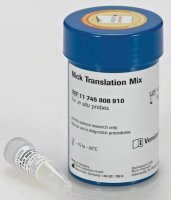
General descriptionOptimized enzyme mixture: Nick translation utilizes a combination of DNase and DNA Polymerase to nick one strand of the DNA helix, then incorporates labeled nucleotides as the polymerase examines, or "proofreads" the nicked site.
Individual templates produce consistent results in the standard 90-minutes reaction, and result in an average probe length of 200 base pairs up to 500 base pairs.
Assay Time: 100 minutes
Sample Materials- Supercoiled and linearized plasmid DNA
- Supercoiled and linearized cosmid DNA
- Purified PCR products
Specificity
Heat inactivation: Stop the reaction by adding 1 µl 0.5 M EDTA (pH 8.0) and heating to 65 °C for 10 minutes.ApplicationFor generation of highly sensitive probes for fluorescence in situ hybridization (FISH).
The Nick Translation Mix is designed for direct fluorophore-labeling of in situ probes. Fluorescein-12-dUTP and Tetramethyl-Rhodamine-5-dUTP from Roche Applied Science or other commercially available fluorophor-labeled nucleotides can be combined with the Nick Translation Mix. Direct fluorophore-labeled in situ probes are used for the detection of multi copy or very large hybridization targets on metaphase chromsomes or interphase nuclei.
For a standard labeling reaction using 1 µg template in 20 µl total reaction volume, 4 µl of 5x concentrated fluorophore labeling mix are required.
Components
Contents
1 vial with 5x concentrated solution, stabilized reaction buffer in 50% glycerol (v/v), DNA Polymerase I and DNase I.
Quality
Function tested in dot spot assay.
Principle
The nick translation method is based on the ability of DNase I to introduce randomly distributed nicks into DNA at low enzyme concentrations in the presence of MgCl2.
E. coli DNA Polymerase I synthesizes DNA complementary to the intact strand in a 5?3 direction using the 3-OH termini of the nick as a primer. The 5?3 exonucleolytic activity of DNA polymerase I simultaneously removes nucleotides in the direction of synthesis. The polymerase activity sequentially replaces the removed nucleotides with isotope-labeled or hapten-labeled deoxyribonucleoside triphosphates. At low temperature (+15°C), the unlabeled DNA in the reaction is thus replaced by newly synthesized labeled DNA.
Other NotesFor life science research only. Not for use in diagnostic procedures.
Denaturing of the template before nick translation is not required.Параметрыform solution Quality Level 100, usage sufficient for 50 labeling reactions packaging pkg of 200 μL Торговая марка Roche shipped in dry ice storage temp. −20°C
Safety InformationRIDADR NONH for all modes of transport WGK Germany WGK 1 Flash Point F does not flash Flash Point C does not flash Узнать цену -
Nylon Membranes for Colony and Plaque Hybridization 11699075001
General descriptionNylon membrane is a circular, uncharged, microporous, amphoteric, ultra-pure nylon 66 membrane on a polyester support. It has a durable structure with consistent transfer rate.
Surface Properties: Pore size of 1.2 µm. Surface contains 50% amino and 50% carboxyl groups.Application- The membrane discs are specifically suited for:Nonradioactive screening of phage or cosmid libraries with digoxigenin-labeled probes followed by detection with highly sensitive chemiluminescent or chromogenic substrates
- Hybridization with biotinylated or radioactive probes
- It has been used in the colony immunoblotting technique.
Other NotesFor life science research only. Not for use in diagnostic procedures.Параметрыpackaging pkg of 50 discs (82 mm diameter) Quality Level 100, Торговая марка Roche disc diam. 82 mm shipped in ambient storage temp. 20-25°C
Safety InformationRIDADR NONH for all modes of transport Узнать цену -
PCR DIG Labeling Mix 11585550910
General descriptionPCR DIG Labeling Mix is a nucleotide mixture that can be added directly to polymerase chain reactions (PCR) and the digoxigenin (DIG)-labeled nucleotide will be incorporated into the PCR product. Taq DNA polymerase, as well as Tth (Thermus thermophilus) DNA polymerase, can be used for the synthesis of DIG-labeled PCR products. The PCR DIG Labeling Mix can replace the unlabeled nucleotide mix in PCR. 10µl of the PCR DIG Labeling Mix is used in a standard 100µl PCR assay.
When using higher concentrations of DIG-deoxyuridinetriphosphate (dUTP) what is supplied with the PCR DIG Labeling Mix, the yield of the PCR product may be reduced, but however, the label intensity and the molecular weight of the PCR product is increased.
We are committed to bringing you Greener Alternative Products, which adhere to one or more of The 12 Principles of Greener Chemistry. This product is designed as a safer chemical. The DIG System was established as a sensitive and cost-effective alternative to radioactivity for the labeling and detection of nucleic acids. There are many available publications that prove the versatility of the DIG System, so use of radio-labeling is no longer the only option for labeling of DNA for hybridization.ApplicationThe PCR DIG Labeling Mix is specifically designed for the sensitive detection of polymerase chain reaction (PCR) products and for the sensitive analysis of PCR reactions.The PCR DIG Labeling Mix can also be used for the synthesis of hybridization probes. However, for the production of highly sensitive probes, for example, necessary when detecting single-copy genes on genomic blots, we recommend a PCR nucleotide mix with an increased concentration of DIG-dUTP (e.g., PCR DIG Probe Synthesis Kit).
Quality
The PCR DIG Labeling Mix is function tested in PCR. Amplification products are assayed by dot blot and in hybridization experiments. DNases and RNases are not detectable according to the current Quality Control procedures.
Physical form
Solution, 10x concentrated: PCR DIG labeling mix is a mixture of the sodium salts of dATP, dCTP, dGTP, dTTP and digoxigenin-11-dUTP, lithium salt. The solution contains 2 mM dATP, dCTP, dGTP each, 1.9 mM dTTP, 0.1 mM digoxigenin-11-dUTP (DIG-11-dUTP) in 2x 250 μl water; pH 7.0.Other NotesFor life science research only. Not for use in diagnostic procedures.Параметрыform solution Quality Level 100, usage sufficient for 2 x 25 assays (100 ul final reaction volume) packaging pkg of 500 µL (2 x 250 µl) Торговая марка Roche greener alternative product characteristics Designing Safer Chemicals
Learn more about the Principles of Green Chemistry,.shipped in dry ice storage temp. 20°C
Safety InformationRIDADR NONH for all modes of transport WGK Germany nwg Flash Point F does not flash Flash Point C does not flash Узнать цену -
PCR DIG Labeling MixPLUS 11835289910
General descriptionThe PCR DIG Labeling MixPLUS is a mixture of lithium salts of deoxyadenosine triphosphate (dATP), deoxycytosine triphosphate (dCTP), deoxyguanosine triphosphate (dGTP), deoxyuridine triphosphate (dUTP) and digoxigenin (DIG)-11-dUTP. This nucleotide mixture can be added directly to polymerase chain reactions (PCR) and the DIG-labeled nucleotide will be incorporated into the PCR product. The incorporation of dUTP instead of deoxythymidine triphosphate (dTTP) allows the degradation of contaminating PCR products from previous amplification reactions with uracil-DNA glycosylase (UNG), preventing carryover contamination.The incorporated DIG label renders the sensitive detection of the PCR product with anti-DIG-conjugates, for example in the PCR ELISA, DIG-labling, and PCR ELISA, DIG-Detection. The PCR DIG Labeling MixPLUS gives comparable signal intensities to the PCR DIG Labeling Mix.
We are committed to bringing you Greener Alternative Products, which adhere to one or more of The 12 Principles of Greener Chemistry. This product is designed as a safer chemical. The DIG System was established as a sensitive and cost-effective alternative to radioactivity for the labeling and detection of nucleic acids. There are many available publications that prove the versatility of the DIG System, so use of radio-labeling is no longer the only option for labeling of DNA for hybridization.ApplicationPCR DIG Labeling MixPLUS is used for direct labeling of amplification products with digoxigenin (DIG)-deoxyuridine triphosphate (dUTP) in polymerase chain reactions (PCR) and for carryover prevention.The PCR DIG Labeling Mixplus is 10x concentrated. For each reaction, add 10% of the final volume to the reaction mix.
Quality
The PCR DIG Labeling MixPLUS is function tested.Other NotesFor life science research only. Not for use in diagnostic procedures.Параметрыform solution Quality Level 100, usage sufficient for 2 x 50 assays (50µl final reaction volume) packaging pkg of 2 x 250 µL Торговая марка Roche greener alternative product characteristics Designing Safer Chemicals
Learn more about the Principles of Green Chemistry,.shipped in dry ice storage temp. 20°C
Safety InformationRIDADR NONH for all modes of transport WGK Germany nwg Flash Point F does not flash Flash Point C does not flash Узнать цену -

PCR DIG Probe Synthesis Kit 11636090910
General descriptionThe PCR DIG Probe Synthesis Kit contains an alkali-labile digoxigenin (DIG)-11deoxyuridinetriphosphate (dUTP) formulation. This kit is for convenient and efficient generation of DIG-labeled DNA probes that are highly sensitive in polymerase chain reaction (PCR). The probes are labeled with DIG-11dUTP (alkali-labile), by the method of PCR. The ratio of DIG-dUTP:dTTP is 1:2.
The PCR DIG Probe Synthesis Kit contains the Expand High Fidelity DNA polymerase mix. This robust enzyme mix with proofreading activity will polymerize probes 40 bp to 5 kb long using 10 pg plasmid DNA and 10 ng genomic DNA as template. The DIG-labeled probes are stable for over one year.
We are committed to bringing you Greener Alternative Products, which adhere to one or more of The 12 Principles of Greener Chemistry. This product is designed as a safer chemical. The DIG System was established as a sensitive and cost-effective alternative to radioactivity for the labeling and detection of nucleic acids. There are many available publications that prove the versatility of the DIG System, so use of radio-labeling is no longer the only option for labeling of DNA for hybridization.ApplicationDigoxigenin (DIG)-labeled DNA probes produced from the PCR DIG Probe Synthesis Kit is suitable for low-(single)-copy gene detection of rare mRNA in Southern and northern blots. DIG-labeled DNA probes have also been used for labeling of DNA during in situ hybridization.
The concentration of the supplied dUTP-nucleotide mix can be adjusted according to probe length. Labeling effectiveness can quickly be determined on an agarose gel.
Stripping and reprobing of membranes is possible multiple times following the protocol in the package insert.
One PCR labeling reaction (50 µl) will typically yield enough probe for 20 ml hybridization solution. The kit can be used for approximately 25 reactions (50 µl).Packaging1 kit containing 6 components.QualityEach lot of the PCR DIG Probe Synthesis Kit is function tested in PCR. Amplification products are assayed in genomic Southern blots.
Under PCR conditions as described in this package insert, the control reaction generates an amplification product of 442bp. Due to multiple incorporations of DIG-dUTP during the PCR process, the molecular weight of the PCR products is significantly increased compared to the unlabeled PCR product. A specific fragment pattern is detected after hybridization of the PCR product to 10µg human genomic DNA followed by chemiluminescent detection.Other NotesOne reaction can produce enough labeled probe to analyze 650cm2 of blot membrane.
For life science research only. Not for use in diagnostic procedures.
Sample Materials
Any DNA suitable as PCR template can be labeled. Use either:- Plasmid DNA, 10 to 100pg (optimal amount, 10pg)
- Genomic DNA, 1 to 50ng (optimal amount, 10ng)
Template concentration during PCR is the most critical factor in producing specific probes. For most templates, use no more than the amounts given above. Too much template will lead to coamplification of primary extension products (those copied past the priming sites). These primary extension products may contain repetitive sequences or unrelated products from secondary priming sites (if prepared from genomic DNA) or vector sequences (if prepared from plasmid DNA). In subsequent hybridization assays, the probe-target hybrid will be a smear because the probe will cross-hybridize with vector or genomic DNA sequences.
For best results, use cloned inserts as template. Genomic DNA can be more difficult to use.
Purity of template is not as critical for PCR labeling as for other types of labeling.Параметрыusage sufficient for 25 reaction (50 µL final reaction volume) Quality Level 100 Торговая марка Roche greener alternative product characteristics Designing Safer Chemicals
Learn more about the Principles of Green Chemistry.shipped in dry ice storage temp. 20°C
Safety Informationhcodes H412 pcodes P273 - P501 RIDADR NONH for all modes of transport WGK Germany WGK 2 Flash Point F does not flash Flash Point C does not flash Узнать цену -

PCR ELISA, DIG-Detection, 5-pack 11965409910
General descriptionThe PCR ELISA, DIG-Detection kit is used for semi-quantitative nonradioactive detection of polymerase chain reaction (PCR) products using a convenient microplate format. We recommend to use the PCR ELISA, DIG-Detection, 5-pack kit in combination with the PCR ELISA, DIG-Labeling kit for specific DNA analysis.
We are committed to bringing you Greener Alternative Products, which adhere to one or more of The 12 Principles of Greener Chemistry. This product is designed as a safer chemical. The DIG System was established as a sensitive and cost-effective alternative to radioactivity for the labeling and detection of nucleic acids. There are many available publications that prove the versatility of the DIG System, so use of radio-labeling is no longer the only option for labeling of DNA for hybridization.
Specificity
The high specificity of digoxigenin detection permits distinguishing specific and nonspecific amplification products. This is due to the hybridization step with the capture probe. The specificity of this hybridization follows the standard rules of hybridization assays. Stringent hybridization in the digoxigenin detection depends on the length and the GC content of the capture probe and the incubation temperature. Temperatures up to 55 °C are compatible with digoxigenin detection. Under these conditions, with short capture probes (18 to 20mers), identification of a single base mismatch in the capture oligonucleotide is possible. For this reason, mutations in template DNAs can also be detected using DIG.ApplicationThis kit is used in research studies for the semi-quantitative detection of digoxigenin-labeled PCR products. It is particularly suitable for the parallel testing of a large number of samples.
Note: The PCR ELISA system provides a convenient, nonradioactive method for labeling and detecting PCR products. It is approximately 100 times more sensitive than conventional ethidium bromide staining of products on agarose gels.
Features and Benefits
This kit is part of a complete PCR ELISA system. If you combine it with other reagents and equipment, you can adapt the system for many molecular biology applications. For example:- If you have an appropriate target-specific, biotin-labeled capture probe, you can distinguish PCR products that differ by as little as a single base pair. Thus the PCR ELISA system (DIG-labeling + DIG-detection) can be used:
- To detect point mutations, deletions or insertions.
- To classify target sequences (e.g., as in HLA-typing or cell typing).
- Preparation of suitable DIG-labeled standards and addition of a colorimetric detection system will allow you to quantify PCR products.
- The microplate format used by the PCR ELISA system makes the system compatible with automated plate preparation and reading systems.
Capacity: This size of the PCR ELISA, DIG-Detection kit allows semi-quantitative detection of more DIG-labeled PCR products. The total number of PCR products detected will vary depending upon the number of sample dilutions, controls, and/or standards used in the assay.
Packaging
1 kit containing 9 components.
Principle
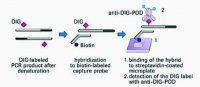
Step 1: Amplification of DNA in the presence of digoxigenin-11-dUTP (DIG-dUTP) to generate DIG-labeled PCR product.
Step 2: Denaturation of PCR product and hybridization to a biotin-labeled capture probe. The capture probe specifically recognizes an internal sequence in the target DNA.
Step 3: Immobilization of biotin-labeled hybrid on a streptavidin-coated microplate, followed by plate washes to remove unhybridized, non-specific amplification products.
Step 4: Detection of bound hybrids with peroxidase-conjugated anti-digoxigenin antibody (Anti-DIG-POD) and the colorimetric peroxidase substrate, ABTS.
Results can be measured with a standard microplate reader.Other NotesFor life science research only. Not for use in diagnostic procedures.Параметрыusage sufficient for 480 detection reactions (five microplates) Quality Level 100, Торговая марка Roche greener alternative product characteristics Designing Safer Chemicals
Learn more about the Principles of Green Chemistry,.shipped in wet ice storage temp. 2-8°C
Safety Informationpictograms GHS07,GHS09 signalword Warning hcodes H317 - H411 pcodes P261 - P273 - P280 - P333 + P313 - P362 + P364 - P391 RIDADR NONH for all modes of transport WGK Germany WGK 3 Flash Point F does not flash Flash Point C does not flash Узнать цену -
PCR ELISA, DIG-Labeling 11636120910
General descriptionThe PCR ELISA, DIG-Labeling kit is for nonradioactive labeling of DNA with digoxigenin (DIG)-deoxyuridine triphosphate (dUTP) by polymerase chain reaction (PCR). We recommend the use of this kit in combination with the PCR ELISA, DIG-Detection kit. This kit is part of a complete PCR ELISA system. The PCR ELISA system allows for convenient detection of PCR products in a microplate format. The PCR ELISA allows the sensitive and specific detection of PCR products in solution. It is approximately 100 times more sensitive than conventional ethidium bromide-stained agarose gels.
We are committed to bringing you Greener Alternative Products, which adhere to one or more of The 12 Principles of Greener Chemistry. This product is designed as a safer chemical. The DIG System was established as a sensitive and cost-effective alternative to radioactivity for the labeling and detection of nucleic acids. There are many available publications that prove the versatility of the DIG System, so use of radio-labeling is no longer the only option for labeling of DNA for hybridization.ApplicationPCR ELISA, DIG-Labeling is used for the detection and quantification of the PCR product. The convenient enzyme linked immunosorbent assay (ELISA) format makes this kit particularly suitable for determining the presence or absence of a specific target sequence in a large number of samples. By combining with other reagents and equipment, this system can be used for many molecular biology applications. For example:- In the presence of an appropriate target-specific, biotin-labeled capture probe, you can distinguish PCR products that differ by as little as a single base pair. Thus the PCR ELISA system (DIG-labeling + DIG-detection) can be used: to detect point mutations, deletions or insertions and to classify target sequences (e.g., as in HLA-typing or cell typing).
- Preparation of suitable DIG-labeled standards and addition of a colorimetric detection system will allow you to quantify PCR products.
- The microplate format used by the PCR ELISA system makes the system compatible with automated plate preparation and reading systems.
- The microplate format combined with colorimetric detection allows quantification of the amount of template present in a sample when used in combination with suitable standards.
- When using appropriate capture probes, the kit can be used for the typing of a target sequence (e.g., in HLA-typing or cell typing). The microplate format makes this kit particularly suited for automation.
- The kit has been used in RT-PCR ELISA method to measure the dihydropyrimidine dehydrogenase (DPD) mRNA expression in liver and cell cycle phase distribution of bone marrow cells.
Packaging
1 kit containing 8 components.
Quality
For best results run a negative control omitting template DNA to check for cross contamination from reagents.Other NotesFor life science research only. Not for use in diagnostic procedures.Параметрыform solution Quality Level 100, usage sufficient for 50 reactions Торговая марка Roche greener alternative product characteristics Designing Safer Chemicals
Learn more about the Principles of Green Chemistry,.shipped in dry ice storage temp. 20°C
Safety Informationhcodes H412 pcodes P273 - P501 RIDADR NONH for all modes of transport Flash Point F does not flash Flash Point C does not flash Узнать цену -
Polynucleotide Kinase
Enzyme Commission (EC) Number: 2.7.1.78 ( BRENDA | IUBMB )
Кат. номер 10633542001 10174645001 General descriptionPolynucleotide kinase catalyzes the transfer of the terminal phosphate group of ATP to the 5′-hydroxyl terminus of DNA or RNA. It also can catalyze the exchange of 5′-terminal phosphate groups. In addition, the enzyme has a 3′-phosphatase activity (only at low pH).ApplicationUse this polynucleotide kinase to:- Phosphorylate 5 ends of DNA or RNA
- Label 5-hydroxyl ends of DNA or RNA with [-32P]-ATP (either by direct phosphorylation or by phosphate exchange)
- Remove 3-phosphates from RNA or DNA without altering their 5 ends (at low pH only)
Features and Benefits
Contents
Solution, containing 10U/µl of enzyme, in Storage buffer:
50mM Tris-HCl, 1mM dithiothreitol, 0.1mM EDTA, 0.1µM ATP, 50% glycerol (v/v), pH approx. 7.5 (+25°C).
Phosphorylation buffer 10x concentrated:
10x Incubation buffer for direct phosphorylation, supplied with the enzyme: 500mM Tris-HCl, 100mM MgCl2, 0.1mM EDTA, 50mM dithioerythritol, 1mM spermidine, pH 8.2 (at +25°C).
Quality
Absence of endonucleases, nicking activity, exonucleases, and ribonucleases tested according to the current Quality Control procedures. Function tested by DNA 5′-end labeling.
Unit Definition
One unit is the enzyme activity which catalyzes the incorporation of 1 nmol 32P into acid-precipitable products within 30 minutes at +37 °C.
Preparation Note
Activator: Polymines (spermine, spermidine)Other NotesFor life science research only. Not for use in diagnostic procedures.ПараметрыQuality Level 100, form solution specific activity >40 units/mg protein packaging pkg of 1,000 U (10633542001), pkg of 200 U (10174645001) Торговая марка Roche optimum pH 7.6 shipped in dry ice storage temp. 20°C
Safety InformationRIDADR NONH for all modes of transport Узнать цену -

Primer "random" 11034731001
General descriptionp(dN)6ApplicationPrimer for cDNA synthesisOther NotesFor life science research only. Not for use in diagnostic procedures.ПараметрыQuality Level 100, form lyophilized usage sufficient for ≤400 reactions packaging pkg of 2 mg (Primer, Random pd(N)6 Potassium Salt) Торговая марка Roche shipped in dry ice storage temp. −20°C
Safety InformationRIDADR NONH for all modes of transport WGK Germany nwg Flash Point F does not flash Flash Point C does not flash Узнать цену -
Ribonucleoside Triphosphate Set 11277057001
General descriptionRibonucleoside Triphosphate Set consists of four separate vials of ATP, CTP, GTP, and UTP. Each vial contains a 100 mM clear, colorless solution of the lithium salt (pH 7).ApplicationThe Ribonucleoside Triphosphate Set is suitable for use in in vitro-transcription reactions and RNA polymerase-directed DNA sequencing.
Quality
Typical analysis:
98% ribonucleoside triphosphates (HPLC), 1.5% ribonucleoside diphosphates, 0.5% ribonucleoside monophosphates.
Tested for the absence of RNases according to the current Quality Control procedures.
Unit Definition
1 mM ATP = 15.3 A260 units, 1 mM CTP = 9.6 A272 units, 1 mM GTP = 13.7 A252 units, 1 mM UTP = 9.9 A260 units.Other NotesFor life science research only. Not for use in diagnostic procedures. For your convenience, ribonucleotides are also available as single NTPs.
Ribonucleotides are also included in some kits (NTPs, buffer, and enzyme in separate vials).ПараметрыQuality Level 100, assay >98% (HPLC) packaging pkg of 4 x 200 µL (4 x 20 µmol; 100 mM, each) Торговая марка Roche shipped in dry ice storage temp. 20°C
Safety InformationRIDADR NONH for all modes of transport WGK Germany WGK 1 Flash Point F does not flash Flash Point C does not flash Узнать цену -
SP6/T7 Transcription Kit 10999644001
General descriptionSample Material
DNA inserted into the transcription vectors pSPT18 or pSPT19.The template DNA must be linearized with a suitable restriction enzyme before the transcription reaction to obtain transcripts of a defined length. Using intact plasmid DNA as template for transcription will result in heterogeneous transcripts of multiple plasmid lengths.
Specificity
Heat inactivation: Stop the reaction by adding 2 µl 0.2 M EDTA (pH 8.0) and/or heating to 65 °C for 10 minutes.ApplicationConvenient kit for radioactive or nonradioactive labeling of RNA by the in vitro transcription with SP6 and T7 polymerase. The kit can also be used for "cold" transcription assays. By the in vitro transcription method single-stranded RNA probes of known length are produced, which can be used in a variety of hybridization techniques.
For in vitro transcription of DNA sequences cloned downstream of the SP6 or T7 promoter. Homogeneously labeled RNA can be synthesized with high efficiency (60 - 70% incorporation) using either radioactively (e.g.,32P, 3H, 35S) labeled or nonradioactively (e.g., digoxigenin or biotin) labeled ribonucleotides. Labeled transcripts lend themselves to all DNA and RNA hybridization techniques and are also used for genomic sequencing and S1 nuclease studies. Large amounts of highly pure RNA can be synthesized using the SP6/T7 system. These transcripts are used for studies on RNA-processing systems. Synthesized RNA can be translated in vitro, or in vivo after injection into oocytes. The transcription of defined mRNA can be inhibited by the introduction of "antisense"-RNA. The efficiency of in vivo translation of synthesized mRNA can be increased significantly by the introduction of a cap structure.
Packaging
1 kit containing 12 components.
Principle
DNA is inserted into the polylinker site of the transcription vectors pSPT18 or pSPT19; these two vectors differ only in the orientation of their polylinker regions. The promoters for SP6 and T7 RNA polymerases are located on either side of the polylinker. SP6 and T7 RNA polymerases specifically transcribe DNA sequences downstream of the SP6 or T7 promoters, respectively. Cloned inserts within the polylinker region are transcribed from either promoter. The first DNA strand may be transcribed with SP6 RNA polymerase and the opposite strand using T7 RNA polymerase. It is also possible to transcribe the first and opposite strands by inserting the same DNA into both pSPT18 and pSPT19 in opposite orientations and transcribing with only one of the RNA polymerases. SP6 and T7 RNA polymerase use the cloned DNA as template and synthesize complementary RNA in the presence of Mg2+ and ribonucleoside triphosphates. Spermidine stimulates enzyme activity. Specifically labeled transcripts are obtained when using radioactively (e.g., 32P, 3H, 35S) or nonradioactively (e.g., digoxigenin or biotin) labeled ribonucleotide triphosphates.
Preparation Note
Working solution: Standard Labeling Assay
ATP, GTP, UTP mixture
Prepare the ATP, GTP, UTP mixture by making a 1:1:1 mixture of solution 4, solution 6, and solution 7.
Transcription Assay with digoxigenin-11-UTP
ATP, GTP, CTP mixture 1
Mix 1:1:1 of ATP (vial 4), CTP (vial 5), and GTP (vial 6).
UTP/DIG-11-UTP mixture
Mix 1:1 digoxigenin-11-UTP (6 mM) with UTP (vial 7) and add as one part to mixture 1.
"Cold" Transcription
ATP, GTP, CTP, UTP mixture
Prepare this mix by combining solutions in vials 4, 5, 6 and 7 at a ratio of 1111.Other NotesFor life science research only. Not for use in diagnostic procedures.ПараметрыQuality Level 100, usage sufficient for 2 x 20 assays (stadard transcription) Торговая марка Roche shipped in dry ice storage temp. 20°C
Safety Informationpictograms GHS07 signalword Warning hcodes H319 pcodes P264 - P280 - P305 + P351 + P338 - P337 + P313 RIDADR NONH for all modes of transport WGK Germany WGK 2 Flash Point F does not flash Flash Point C does not flash Узнать цену -
T4 Polynucleotide Kinase, 3-phosphatase free
Кат. номер 10838292001 10709557001 General descriptionT4 polynucleotide kinase catalyzes the transfer of the terminal phosphate group of ATP to the 5-hydroxyl terminus of DNA or RNA. It also can catalyze the exchange of 5-terminal phosphate groups. In contrast to the wild type E. coli enzyme, this phage derivative lacks 3-phosphatase activity. The assay time is 30 minutes and volume activity is 10000 U/ml.ApplicationUse T4 Polynucleotide Kinase, 3-phosphatase-free, to:- Phosphorylate the 5 ends of RNA or DNA
- Phosphorylate the 3 ends of RNA to prevent cyclization
- Add a 5[32P]-terminal label to 3-CMP, forming 5[32P]pCp. This substrate is commonly used for 3-end labeling of RNA with T4 RNA ligase.
- Label 5-hydroxyl ends of DNA with [?-32P]-ATP (either by direct phosphorylation or by phosphate exchange)
- Phosphorylate the 5-hydroxyl ends of oligonucleotides obtained from automated synthesizers
- Phosphorylate the 5-hydroxyl ends of linkers.
- Purify recombinant RNA in E. coli.
Note: The 3-phosphatase activity of the wild-type kinase is not observed under optimal incubation conditions with the mutant T4 Polynucleotide Kinase.
Biochem/physiol Actions
T4 polynucleotide kinase catalyzes the transfer of the terminal phosphate group of ATP to the 5′-hydroxyl terminus of DNA or RNA. It also can catalyze the exchange of 5′-terminal phosphate groups. In contrast to the wild type E. coli enzyme, this phage derivative lacks 3′-phosphatase activity. The assay time is 30 minutes and volume activity is 10000 U/ml.
Packaging
1 kit containing 2 components
Quality
Absence of 3′-phosphatase, endonucleases, nicking activity, 3′-exonucleases, and ribonucleases, tested according to the current Quality Control procedures; function tested using the DNA 5′-End Labeling Kit.
Unit Definition
One unit is the enzyme activity which catalyzes the incorporation of 1 nmol 32P into acid-precipitable products within 30 minutes at +37 °C.
Volume Activity: 10 x 103 U/mlOther NotesFor life science research only. Not for use in diagnostic procedures.ПараметрыQuality Level 100, form solution specific activity 40 x 103 units/mg protein, 40000 U/mg packaging pkg of 1,000 U (10838292001), pkg of 200 U (10709557001) Торговая марка Roche shipped in dry ice storage temp. 20°C
Safety InformationRIDADR NONH for all modes of transport Узнать цену -
Terminal Transferase
Enzyme Commission (EC) Number: 2.7.7.31 ( BRENDA | IUBMB )
Кат. номер 3333574001 3333566001 General descriptionTerminal Transferase catalyzes the template independent addition of deoxy- and dideoxynucleoside triphosphates to the 3′-OH ends of double and single-stranded DNA fragments, and oligonucleotides. Terminal Transferase incorporates digoxigenin-, biotin-, and fluorochrome-labeled deoxy- and dideoxynucleoside triphosphates as well as radioactively labeled deoxy- and dideoxynucleoside triphosphates. The supplied 5x-concentrated reaction buffer allows the optimal tailing of all types of double-stranded DNA ends: blunt ended, with 3′ overhang, or with 5′ overhang. The highest incorporation rates are obtained with 3′ overhangs.ApplicationUse terminal transferase to add nucleotides to the 3-OH ends of double- or single-stranded DNA fragments, for example:- Tailing with dNTPs:Addition of homopolymeric tails to DNA fragments
- Labeling of double- and single-stranded DNA and oligonucleotides with either radioactive or chemically modified nucleotides (e.g., DIG-dUTP)
Labeling of double- and single-stranded DNA and oligonucleotides with either radioactive or chemically modified dideoxynucleotides (e.g., DIG-ddUTP)
Features and Benefits
Incorporation of labeled or modified nucleotides
In addition to standard nucleotides, terminal transferase wlll add radioactive or modified (e.g., digoxigenin-, biotin-, or fluorochrome-labeled) dNTPs or ddNTPs to DNA.
Packaging
1 kit containing 3 components
Quality
Absence of 5′ and 3′ exonucleases, endonucleases, and nicking activities tested according to the current Quality Control procedures.
Principle
Oligonucleotides are enzymatically labeled at their 3′ end using terminal transferase by incorporation of a single digoxigenin-labeled dideoxyuridine-triphosphate. Another way to label oligonucleotides is the addition of a longer nucleotide tail. For the generation of tailed oligonucleotide probes, deoxynucleotides triphosphates are used in a template independent reaction.
Unit Definition
One unit is the enzyme activity that incorporates 1 nMol dTMP into acid-insoluble products within 30 minutes at +37 °C under assay conditions using d(pT)6 as primer. Unit assay conditions: 200 mM Potassium cacodylate, 1 mM CoCl2, 1 mM dTTP, 0.1 OD d(pT)6, 6.25 pmol 3H dTTP in a 120 µl reaction volume.
Unit Assay: Unit assay conditions: 200 mM Potassium cacodylate, 1 mM CoCl2, 1 mM dTTP, 0.1 OD d(pT)6, 6.25 pmol 3H dTTP in a 120 µl reaction volume.
Volume Activity: 400 U/µl
Sample Materials- Double- or single-stranded DNA fragments
- Double- or single-stranded oligonucleotides
Preparation Note
Working solution: Standard Tailing reaction with radioactive nucleotides
Preparation of CoCl2 working solution
Add in a sterile vial 10 µl double dist. water and 15 µl of the supplied 25 mM CoCl2 solution: Final concentration: 15 mM
Preparation of radioactive labeling mix
dATP and dTTP labeling mix: mix 1 Vol. of a 2.5 mM dATP or dTTP solution with 15 volumes of double-distilled water and 4 volumes of -32P-dATP or -32P-dTTP (800 Ci/mmol, approx. 30 TBq/mmol).
dGTP and dCTP labeling mix: mix 1 volume of a 2 mM dGTP or dCTP solution with 15 volumes of double-distilled water and 4 volumes of -32P-dGTP or -32P-dCTP (800 Ci/mmol, approx. 30 TBq/mmol)Other NotesFor general laboratory use. Double-stranded DNA may have either blunt-, 3′-protruding, or 5′-protruding ends. However, 3′-protruding ends lead to the highest incorporation rates.TdT requires an oligonucleotide of at least three bases as a primer, and single-stranded DNA is tailed more efficiently than double-stranded.ПараметрыQuality Level 100, form solution usage sufficient for 20 reactions (03333566001), sufficient for 60 reactions (03333574001) packaging pkg of 24,000 U (03333574001 [400 U per reaction]), pkg of 8,000 U (03333566001 [400 U per reaction]) Торговая марка Roche shipped in dry ice storage temp. 20°C
Safety InformationRIDADR UN 3316 9 Узнать цену -
Tetramethyl-Rhodamine-5-dUTP 11534378910
Empirical Formula (Hill Notation): C37H40N5O18P3 Molecular Weight: 935.66 General descriptionTetramethylrhodamine is bound to deoxyuridine triphosphate via an amide linkage.ApplicationTetramethyl-Rhodamine-5-dUTP has been used in the labelling of DNA fragments and in the synthesis of fluorescence in situ hybridization (FISH) probes.
Quality
Typical analysis: At least 85% Tetramethyl-Rhodamine-5-dUTP (HPLC, area%).
Analysis Note
Absorption: Absorption spectra available in the files.Other NotesFor life science research only. Not for use in diagnostic procedures. For some in situ experiments, it is useful to label DNA with two fluorescent "tags," tetramethylrhodamine (red) and fluorescein (yellow).Параметрыform solution Quality Level 100, mol wt 990.5 packaging pkg of 25 μL (25 nmol; 1mM) Торговая марка Roche shipped in dry ice storage temp. −20°C
Safety InformationRIDADR NONH for all modes of transport WGK Germany nwg Flash Point F does not flash Flash Point C does not flash Узнать цену -
UTP 11140949001
General descriptionUTP is a 100 mM solution of the lithium salt (pH 7).
Contents:
UTP, lithium salt, 100 mMApplicationUTP, lithium salt, is suitable for applications such as in vitro RNA transcription.
Biochem/physiol Actions
UTP lithium salt acts as a biased agonist in activation of P2γ receptor, a G-protein coupled receptor (GPCR) and results in the elevation of cytosolic calcium levels.
Quality
Typical analysis:- 98% UTP (HPLC), 1.5% UDP (HPLC), 0.5% UMP (HPLC).
- Tested for the absence of RNases according to the current Quality Control procedures.
Unit Definition
1 mM UTP = 9.9 A260 unitsOther NotesFor life science research only. Not for use in diagnostic procedures.ПараметрыQuality Level 100, assay 98% (HPLC) form solution packaging pkg of 400 µL (40 µmol; 100mM) Торговая марка Roche absorbance ratio (1 mM UTP = 9.9 A260 units) shipped in dry ice storage temp. 20°C
Safety InformationRIDADR NONH for all modes of transport WGK Germany WGK 1 Flash Point F does not flash Flash Point C does not flash Узнать цену
Получите коммерческое предложение в течение 1 часа
Менеджер подготовит коммерческое предложение и позвонит, если понадобится уточнить детали вашего заказа

С 2010 года мы поставляем оборудование с заводов Европы. Берем на себя все — от подбора оборудования до внедрения на предприятии

Все сотрудники имеют высшее образование, закончили ведущие химические вузы страны, такие как РХТУ им Менделеева.

У большинства компаний срок ожидания составляет 10-12 недель.

Оборудование хранится на сухом отапливаемом складе, где поддерживается ровная температура.

Работаем с PonyExpress и Деловыми линиями. Вы также можете выбрать свою транспортную компанию или забрать товар со склада в Москве.

В случае любых неполадок за свой счет выполним ремонт в сервисном центре или на заводе-изготовителе. Или бесплатно заменим прибор на новый.

Производим пуско-наладку оборудования, валидацию, обучение сотрудников. Если нужно, привлекаем инженеров с заводов- изготовителей.


